
Country Club sits inside a Denver historic district, so roof work here has to satisfy design review as well as the weather, and documentation is part of the job rather than an afterthought.
What Country Club historic district roofs look like up close
- Clay tile, slate and heavy architectural profiles on early twentieth-century homes
- Ornamental ridges, finials and copper details worth preserving
- Carriage houses and garages needing matched materials
Storm, wildfire and insurance drivers here
- Historic design review governs visible material, profile and colour changes
- Original underlayment and decking often need replacement even when the tile is sound
- Mature trees requiring protection and constant valley clearing
What to ask for in Country Club historic district
Product data and photos prepared for design review before work starts, so approval does not stall your project.
Hail, insurance and impact-rated options
Country Club historic district sits in Colorado's hail corridor, and carriers are increasingly strict about roof age and material class. We photograph every plane, give you a written scope, and attend the adjuster meeting so the settlement covers the roof that is actually on your house. Read our storm and hail damage guide and our insurance claim guide before you file.
Roofing materials that suit Country Club historic district
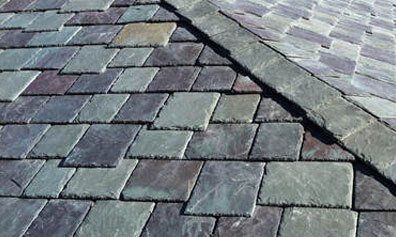
Slate shingles
Historic and high-end homes, steep pitches
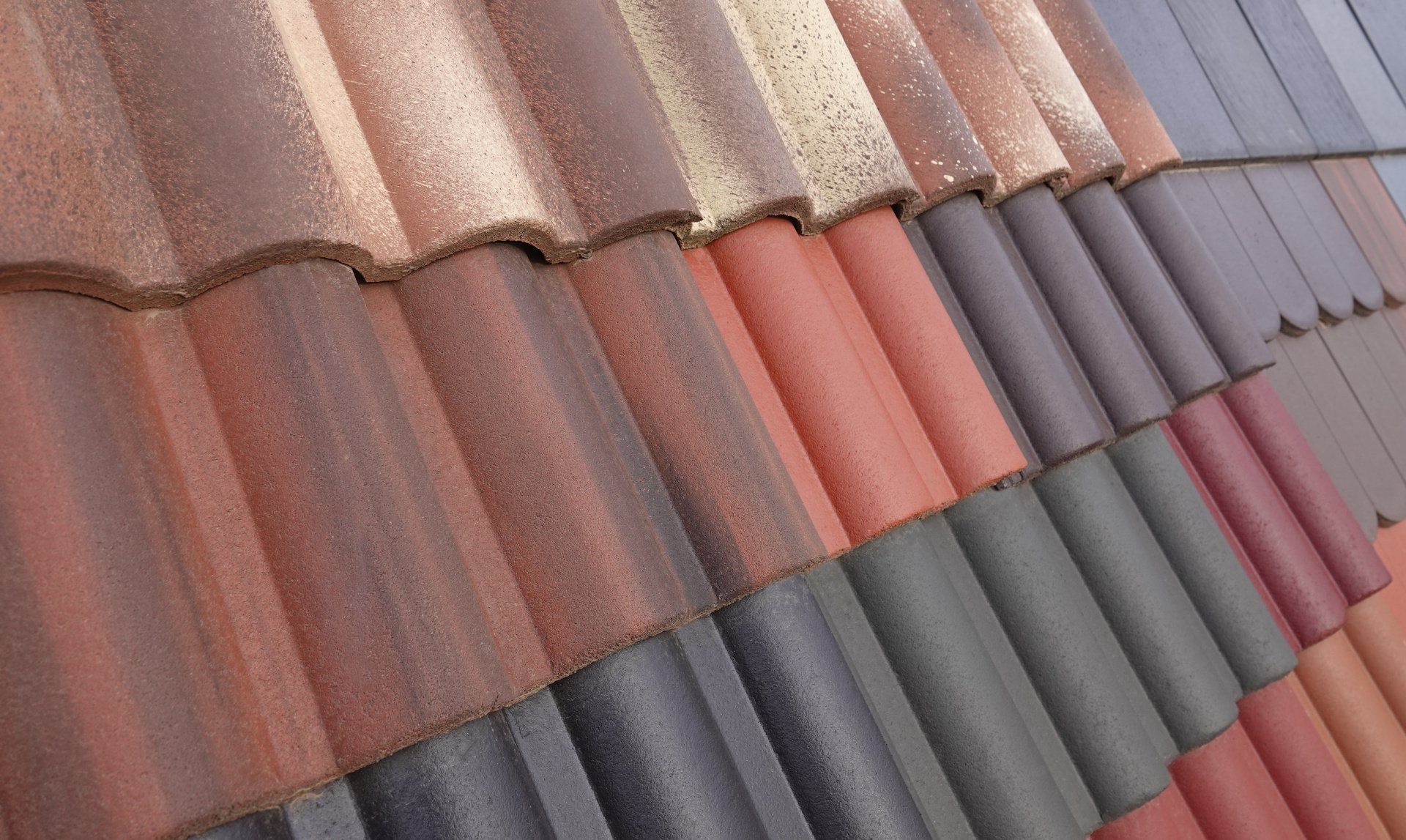
Clay roofing tiles
Sun-exposed elevations, Spanish and Southwest styling
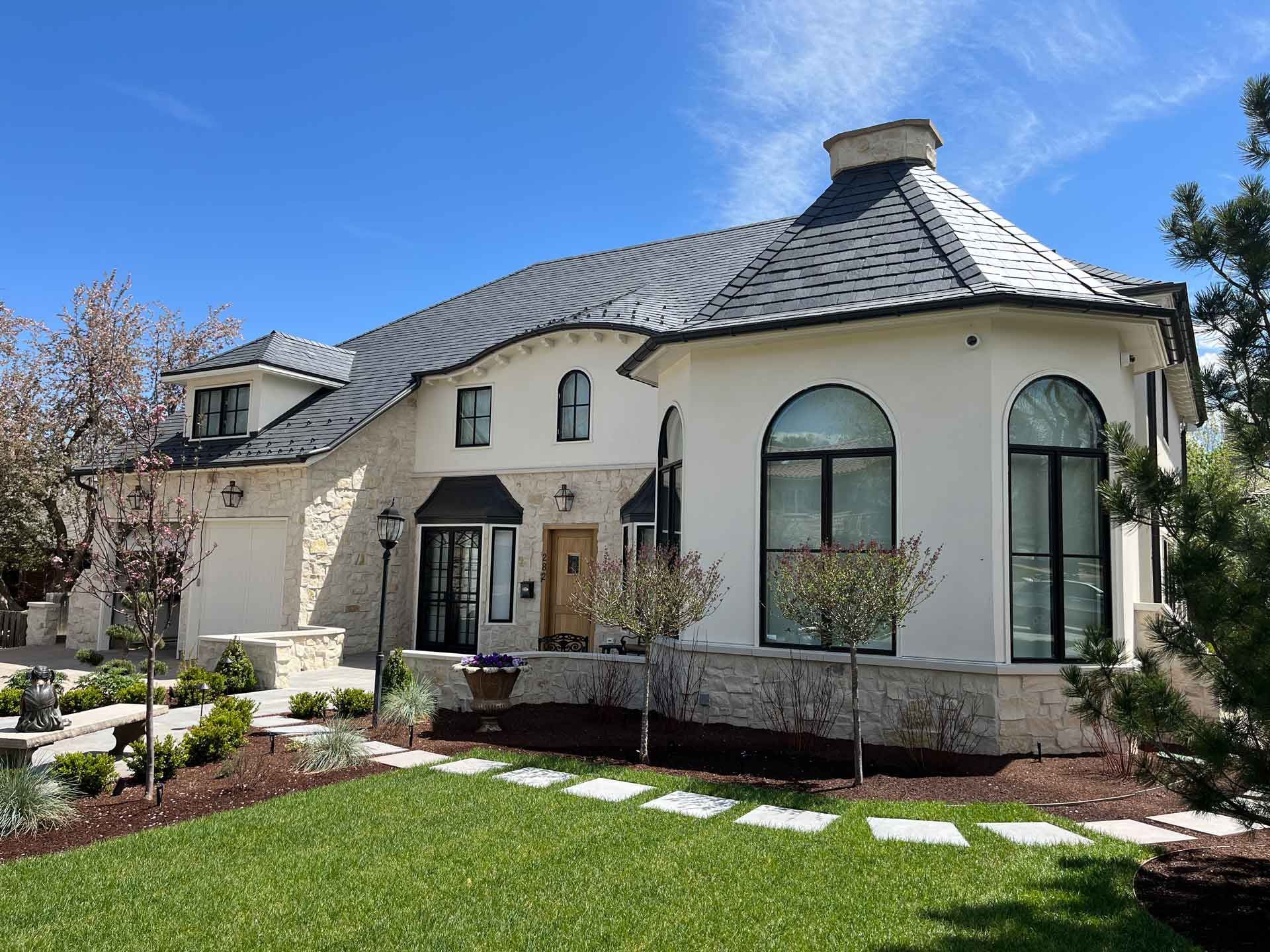
Renovation and rehab
Older buildings, failed previous installs, phased budgets
Booking an inspection in Country Club historic district
We work out of 9822 Titan Park Cir, Littleton, so Country Club historic district is a short drive. Call (303) 738-1032 or book online and we will inspect the roof, photograph what we find, and give you a straight answer on repair, replacement, or nothing yet. You can also read our wider Denver roofing page.